Integrated shift planning for SAP SuccessFactors. Automated and industry-proven.

Fire Brigade Scheduling with shyftplan: Efficiently Co-ordinating Dual Roles
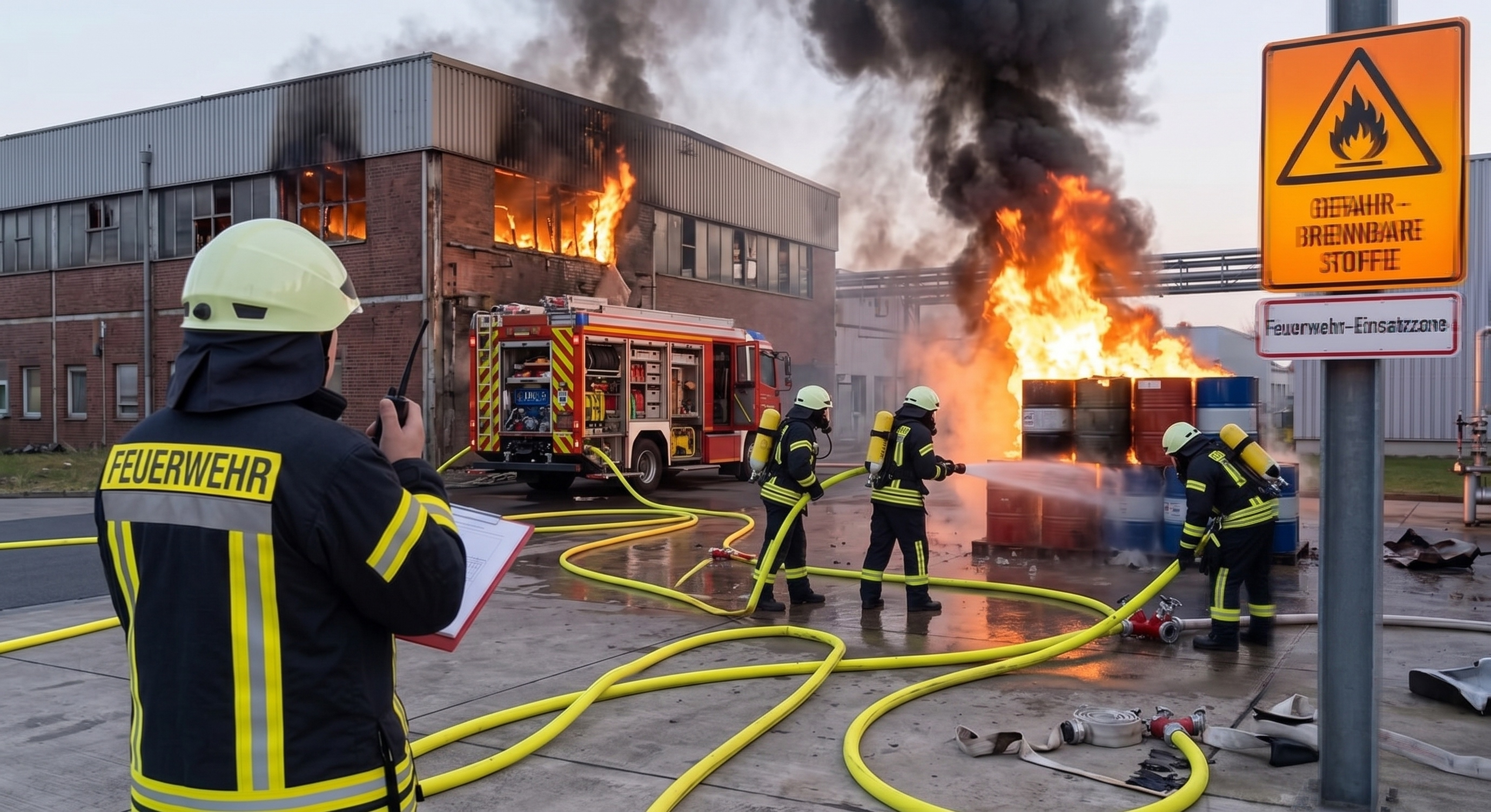
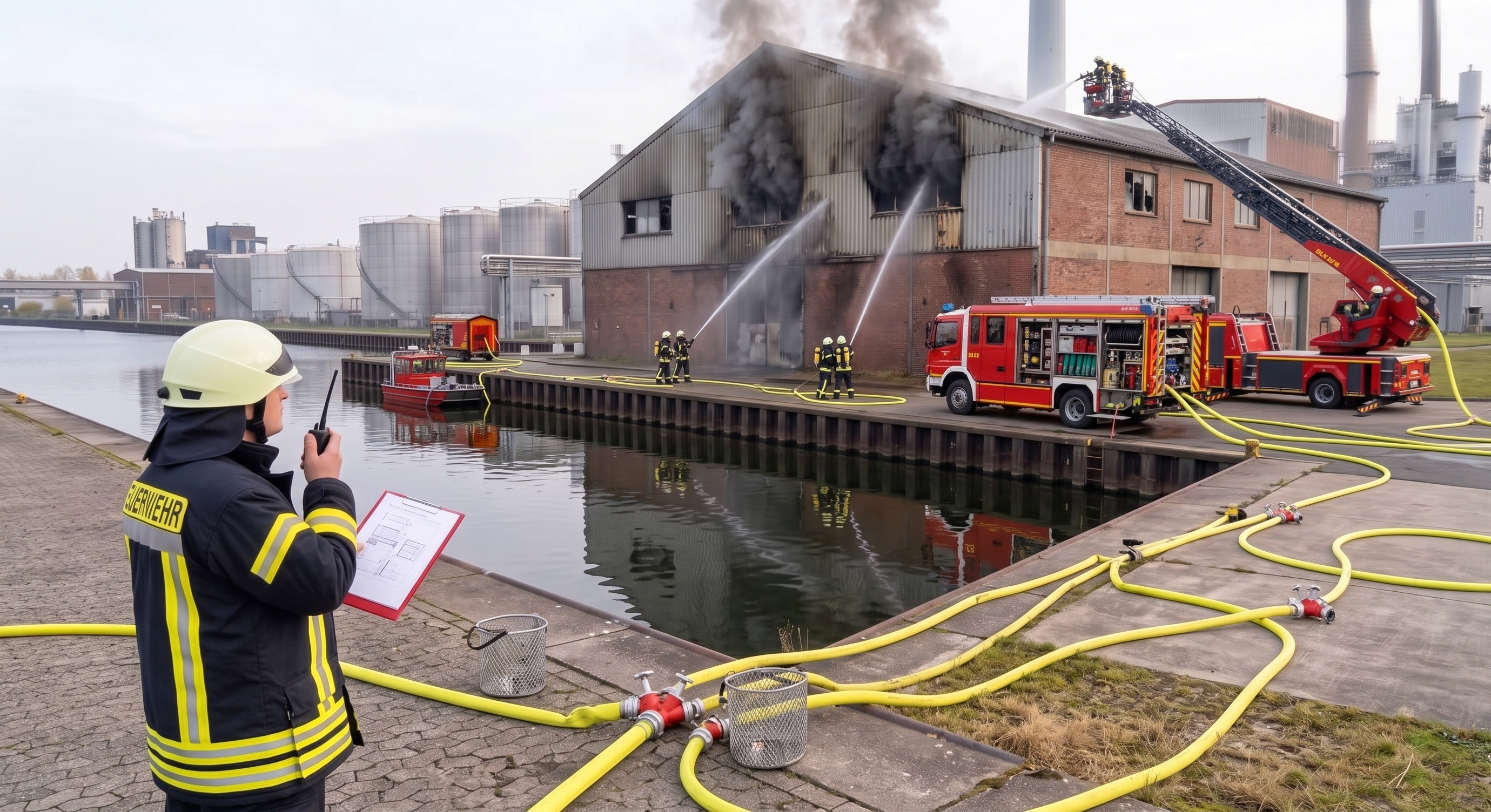
Separate rosters for production and the company fire brigade carry the risk of double bookings and, in an emergency, jeopardise plant availability. Maintaining qualified personnel for alarms without halting critical manufacturing processes requires a linked data foundation. shyftplan establishes an integrated scheduling environment for this purpose. The software draws on existing production shift rosters to nominate personnel for fire brigade roles. This protects regular operations and makes actual operational readiness plannable.
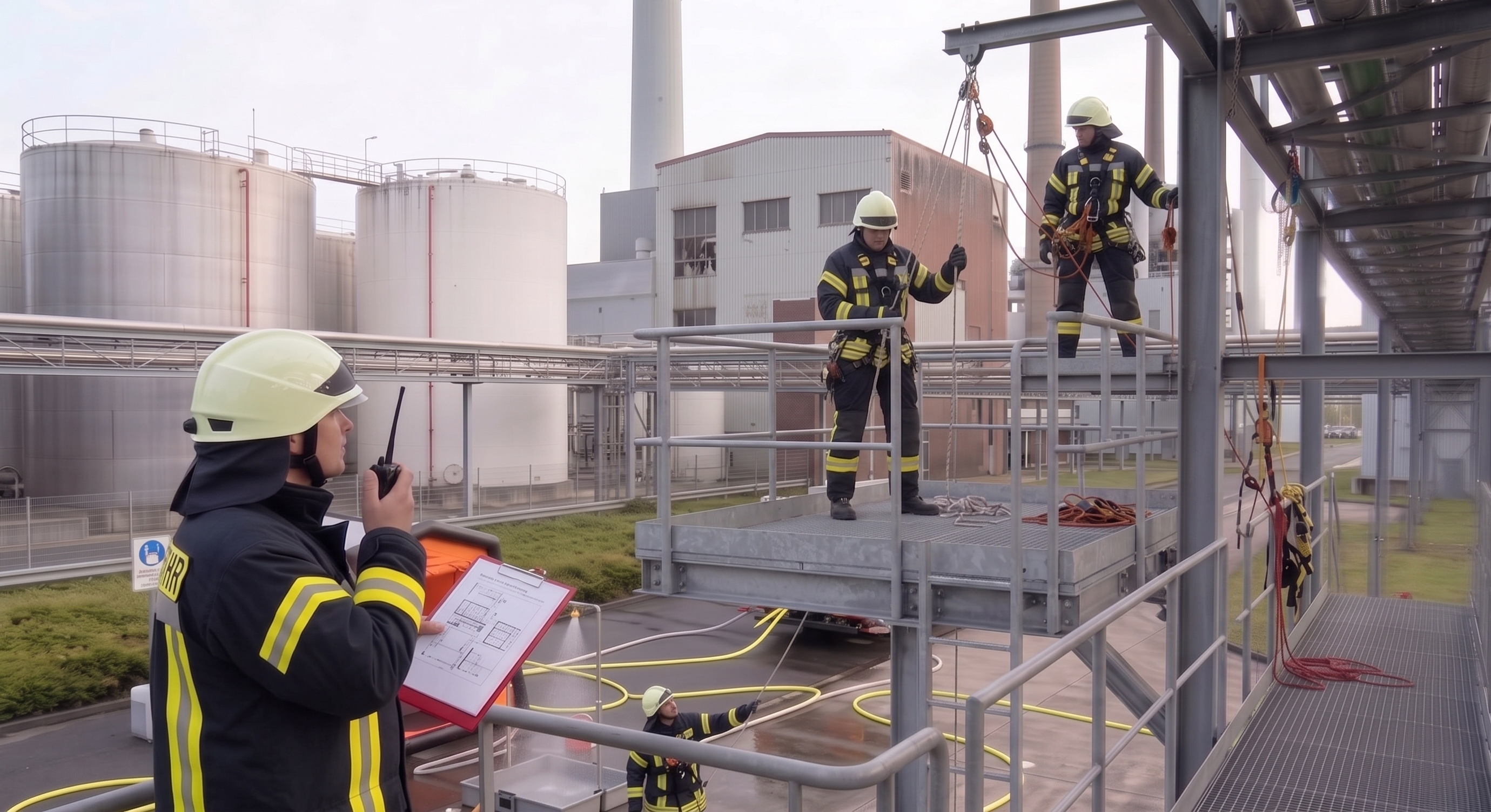
Integrated Nomination: One System for Two Requirements
The solution lies in combining both areas. Employees who are already scheduled for a production shift receive an additional nomination for the company fire brigade for the same period. The system continuously checks whether the qualifications required for fire protection (e.g. basic firefighter, breathing apparatus wearer) are covered in the necessary numbers during the respective shift.
Operational Impact with shyftplan
Integrated Nomination
Checking Operational Qualifications
Exclusion of Role Pairs
Fair Distribution of Duties
Hybrid Scheduling Structures
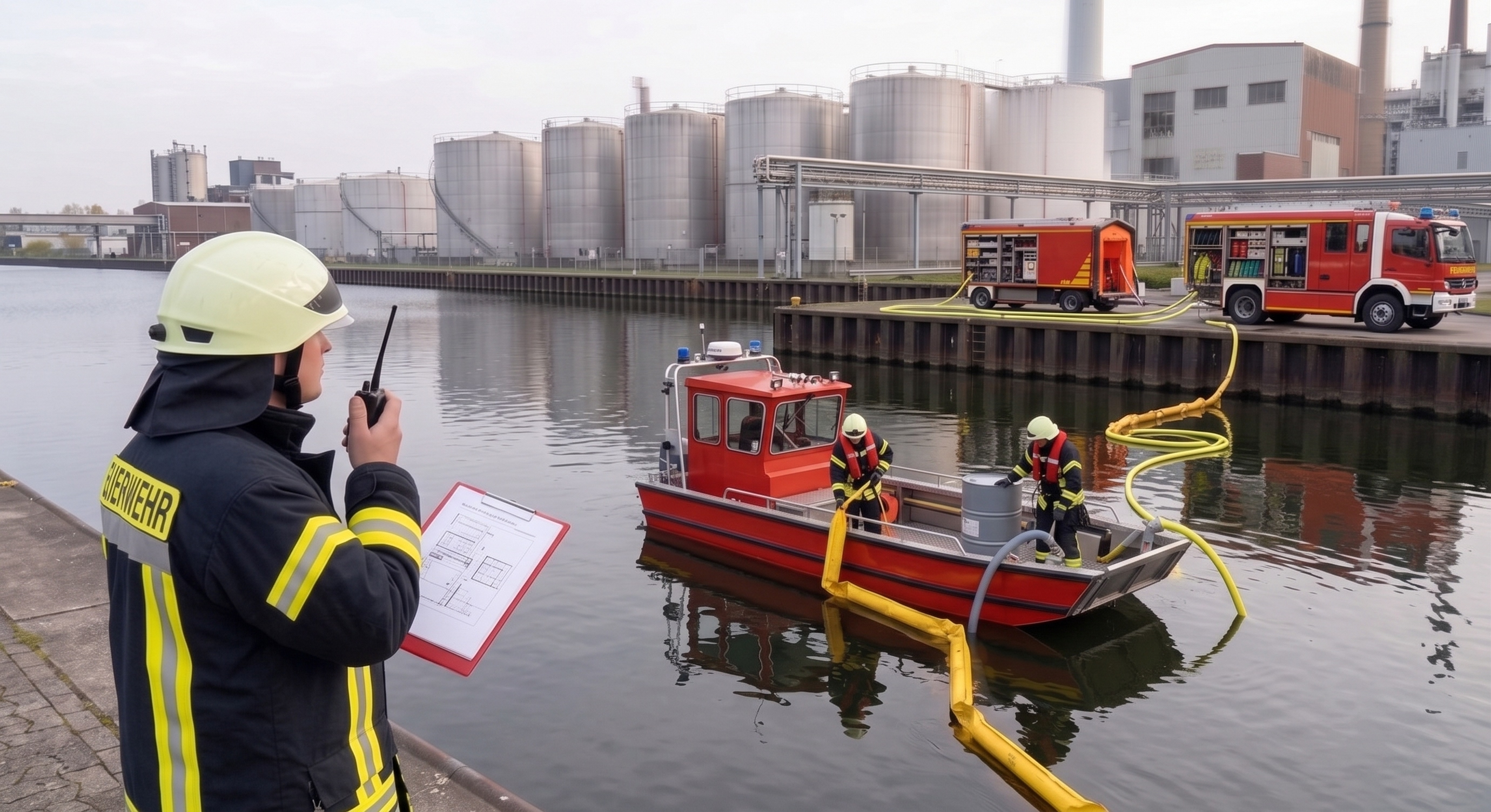
Protecting Plant Availability through Exclusion Rules
Maintaining production operations has top priority alongside emergency response. To prevent plant downtime in the event of an alarm, specific exclusion rules can be configured in shyftplan. A classic practical example is the combination of supervisor and assistant (or plant operator and deputy). If both are working on a critical machine, the system prevents these individuals from being nominated for the fire brigade at the same time. This ensures that, in the event of an alarm, a qualified specialist always remains at the plant to continue operations or shut them down safely.
Transparent Processes: Fairness, Communication, and Evaluation
Part-time fire brigade duties mean additional responsibility for the workforce. The acceptance and readiness of the team depend heavily on transparent processes and balanced scheduling.
- Fair Distribution of Duties: The system allows fire brigade nominations to be distributed evenly over a defined period to avoid placing a one-sided burden on individual employees.
- Automated Notification: Nominated employees receive information about their allocation or short-term changes directly on their smartphone.
- Validated Payroll Data: The exact logging of scheduled duties and actual fire brigade deployments provides the HR department with the basis for the correct payment of deployment-related allowances and bonuses.
FAQs
Work efficiency, flexibility & team communication
How are employees informed about their fire brigade nomination?
As soon as a planner completes the nomination in the system, the affected employees receive an automatic notification via the app. This significantly reduces manual communication efforts.

How does the software prevent production from coming to a standstill during an alarm?
By configuring exclusion rules for role pairs and defining critical workstations, the system supports the maintenance of operations. It alerts the planner if, for example, two key roles on a production line are to be scheduled for the fire brigade at the same time.
Can specific fire brigade qualifications be mapped?
Yes, designations and requirements for roles such as crew manager, basic firefighter, or breathing apparatus wearer can be defined individually. Before allocation, the system checks whether the employee has the relevant qualification and medical fitness.
How does shyftplan link production scheduling with fire brigade staffing?
The system accesses the employees' existing shift rosters. Qualified employees who are already scheduled for a production shift can additionally be nominated for a fire brigade role on this basis, rendering duplicate data entry obsolete.