Integrated shift planning for SAP SuccessFactors. Automated and industry-proven.

Efficient Resource Planning in Industry: 5 Tips to Avoid Bottlenecks
How to Optimize Your Resource Planning and Increase Productivity
Efficient resource planning (or capacity planning) is the key to success in modern industry. However, despite careful planning, bottlenecks can delay production and lead to significant cost increases. In this article, you will learn how to identify common bottlenecks, understand their impact, and apply strategies to successfully avoid them.

In Which Industrial Areas is Resource Planning Used?
Resource planning aims to utilize all available resources optimally to efficiently achieve production goals. It is an indispensable tool in the following industrial sectors:
Manufacturing and Production
In manufacturing, resource planning is used to optimize production processes, avoid bottlenecks, and maximize the utilization of machines and equipment.
Logistics and Transportation
In logistics, resource planning helps in planning transportation routes, optimizing inventory management, and coordinating supply chains.
Energy Supply
In the energy sector, resource planning is used to control the generation and distribution of energy and ensure grid stability.
Services
In service industries such as customer service or healthcare, efficient resource planning is essential for handling customer inquiries quickly and reliably.
Construction
In construction, resource planning ensures that projects are completed on time and within budget.
How Do Bottlenecks in Resource Planning Arise?
Bottlenecks in resource planning occur when available resources are insufficient to meet planned demand or production targets. Causes include:
Labor Shortages
Bottlenecks due to labor shortages arise when there are not enough qualified workers available. Reasons for this can include illness-related absences, high employee turnover, insufficient qualifications, or low motivation. Seasonal fluctuations or sudden increases in demand can exacerbate the situation. A strategic workforce demand planning approach helps identify future labor needs early and prevent shortages.
Machine Failures
Technology issues, such as machine or IT system failures, can significantly impact production capacity. Outdated technology, lack of maintenance, or poorly integrated software solutions create additional obstacles. Data silos and missing automation make efficient planning and execution more difficult.
Supply Chain and Material Shortages
Raw materials or components necessary for production can become scarce due to supply chain disruptions. External factors such as natural disasters, political instability, or economic fluctuations exacerbate these bottlenecks and impair production capabilities.
Faulty Planning and Control
Inaccuracies in production planning, such as incorrect demand forecasts, insufficient data analysis, or poor prioritization, can negatively affect capacity planning. Seasonal fluctuations that are not adequately considered often lead to peak-time bottlenecks.
Quality Fluctuations
Quality issues cause defective products to be reworked or discarded. This leads to material waste and delays, further reducing production capacity.
Effects of Bottlenecks in Resource Planning
When bottlenecks occur in resource or capacity planning, they often have far-reaching consequences for the entire company. Possible effects include:
- Delays in production and delivery
- Increased costs due to overtime or purchasing materials at higher prices
- Declining customer satisfaction due to delayed deliveries and limited product availability
- Damage to the company's reputation from frequent delivery delays
5 Tips to Avoid Bottlenecks in Resource Planning
1. Create Accurate Demand Forecasts.
To reliably estimate future demand, systematically analyze historical data. Pay special attention to seasonal fluctuations and identify long-term trends. Also, consider external factors such as economic, political, and social developments in your forecasts.
2. Build Flexible Structures.
Successful resource planning requires a high degree of flexibility. Plan buffer times to respond to unexpected events. Use flexible work schedules and consider temporary employment options to manage peak periods.
3. Encourage Collaboration Among All Stakeholders.
Effective resource planning is based on close collaboration. Establish regular communication formats between departments to share information promptly and detect potential bottlenecks early. Maintain strong relationships with suppliers and actively involve them in your planning. Ensure transparent communication with customers—inform them proactively about potential delays and stay in constant dialogue.
4. Implement Continuous Monitoring.
Successful resource planning requires ongoing review and adjustments. Establish a systematic monitoring process for your planning operations and respond flexibly to deviations. Develop various scenarios for potential developments and keep contingency plans ready. Use past project experiences to continuously improve planning processes.
5. Use Modern Technologies.
Digitalization offers numerous opportunities to optimize resource planning. Modern ERP systems serve as central platforms for resource management and allow seamless integration with specialized shift scheduling software. This enables automatic consideration of demand data when creating shift schedules. Consider using AI—this technology can significantly improve forecasts and enable automated, data-driven decisions for more efficient resource utilization.
What Is the Difference Between Shift Scheduling and Resource Planning?
Shift scheduling is a subcategory of resource planning. Both focus on the optimal use of resources but at different levels: Resource planning, including capacity planning, considers all available resources (labor, machinery, materials), whereas shift scheduling specifically focuses on workforce deployment.
Both resource planning and shift scheduling aim to increase efficiency and productivity. Shift scheduling depends on the results of resource planning. For example, workforce requirements identified in resource planning are automatically factored into shift scheduling.
Learn more about effective workforce scheduling and how to optimize your shift schedules.
Which Tools Can Help with Planning?
Enterprise Resource Planning (ERP)
ERP systems such as SAP Business One or Oracle ERP play a crucial role in capacity planning by enabling integrated management of all resources. They improve planning accuracy and help efficiently manage machine, material, and labor capacities.
Production Planning and Control Systems (PPS)
PPS systems such as SAP PPS or PP Ease are designed to maximize production capacity. They assist in precise production resource planning and ensure efficient utilization to meet production goals.
Manufacturing Execution System (MES)
MES systems like SAP Digital Manufacturing or AWS Industrial Solutions optimize capacity planning by monitoring production processes in real time. They provide critical insights into machine and workforce utilization, helping to identify bottlenecks early and adjust capacity accordingly.
Specialized Shift Scheduling Tools
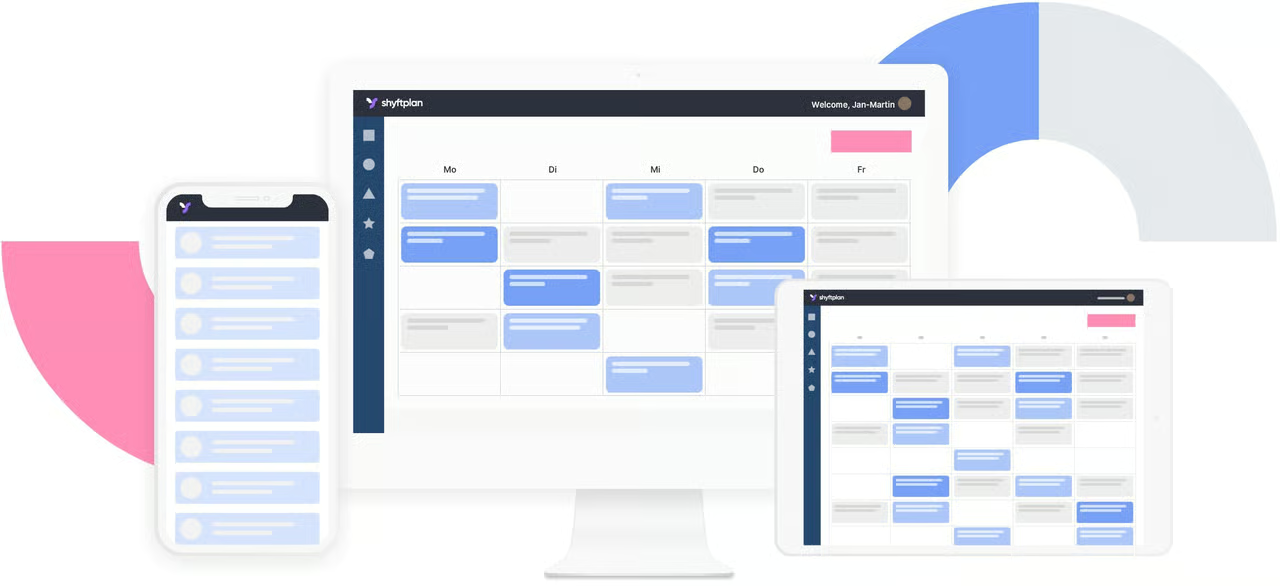
For industrial workforce planning, specialized shift scheduling tools such as shyftplan have proven effective. These solutions efficiently manage shift schedules and, thanks to various integration options, automatically consider crucial factors such as qualifications, availability, and legal requirements. AI-powered features further reduce effort and errors in resource planning.
Find the Right Solution for Your Capacity Planning
Efficient resource and capacity planning are critical to business success, particularly in industries where bottlenecks can lead to major delays and cost increases. To optimize resource utilization and avoid production bottlenecks, precise planning, flexible structures, and automation are essential.
Ready to eliminate inefficiencies and scale your operations? Book a demo now.
What is Resource Planning?
Resource planning is the process of efficiently allocating all available resources, such as personnel, materials, and time, for projects or tasks. The goal is to ensure that the necessary resources are available in the right quantity at the right time to successfully complete projects.

Resource Planning vs. Capacity Planning – What’s the Difference?
Resource planning involves allocating all resources (e.g., personnel, materials, time) for projects. Capacity planning focuses on managing available capacities to ensure there is no over- or underutilization. Capacity planning is a specialized part of resource planning that specifically addresses resource utilization.
Can shyftplan be integrated with my existing systems?
Yes, with shyftconnect, you can connect not only nearly all SAP systems but also other common HR and planning tools with shyftplan.